Container Home Ideas: Sizes, Layouts and What to Plan For


Quick guide: a good tree house starts with a healthy, mature tree, a design that lets the tree move and grow, and solid safety basics. Under the International Residential Code, platforms more than 30 inches above the ground generally need guards at least 36 inches high, with no openings that let a 4-inch sphere pass through. Many local codes apply similar rules, and larger or sleeping tree houses often need a permit.
Below you’ll find tree house ideas for kids, adults and backyard getaways, plus practical advice on choosing a tree, supports, safety and permits.
The easiest and safest start: a low platform with guards, a ladder or steps, and maybe a roof. Keeping it low limits fall height and usually keeps the project simple.
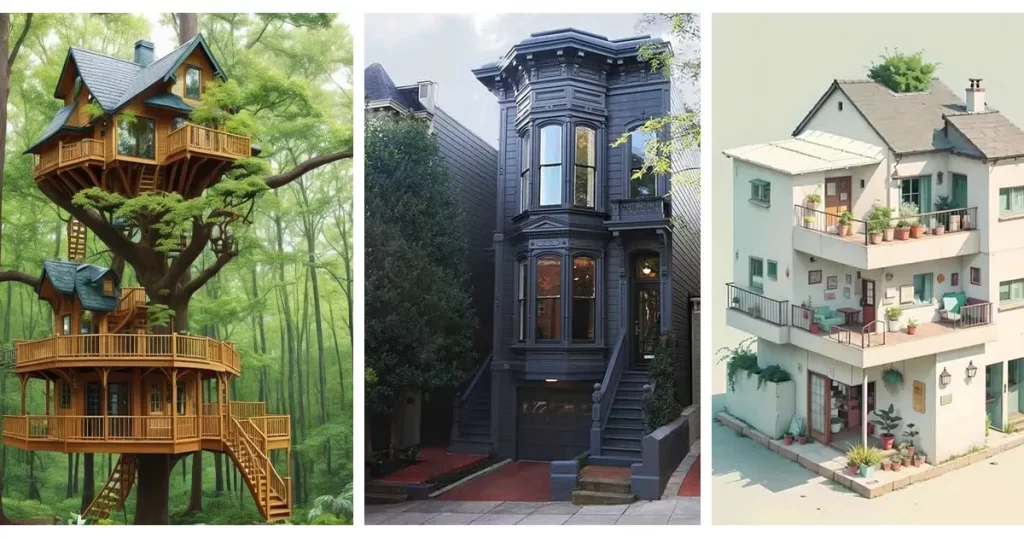
Four walls, a pitched roof, a door and a couple of windows. Use light materials, and leave gaps around branches and the trunk so the tree can sway and grow.
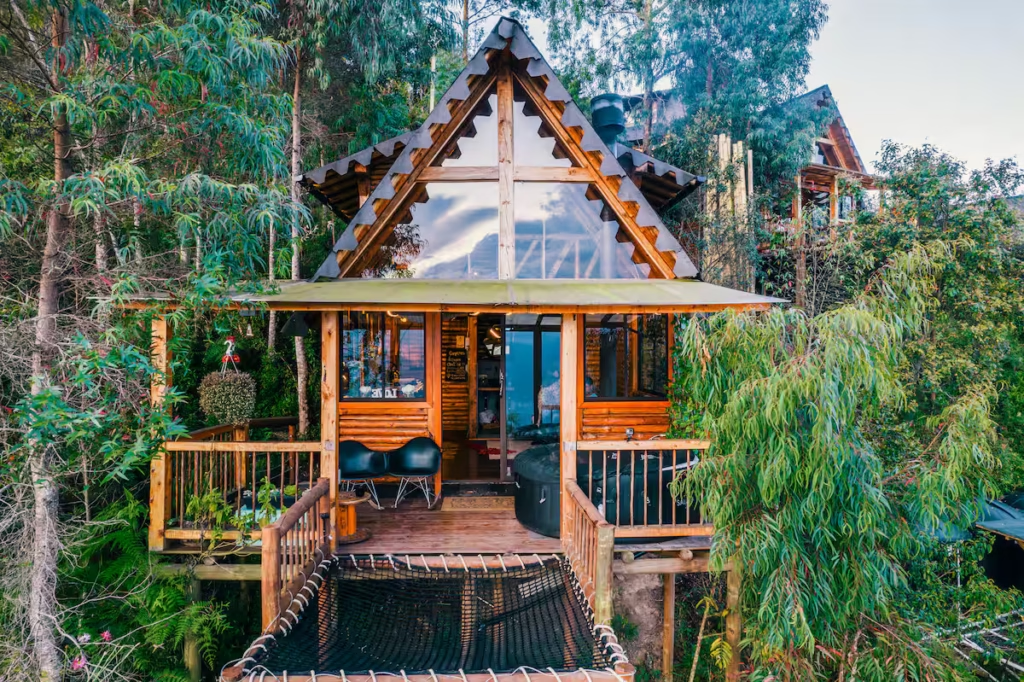
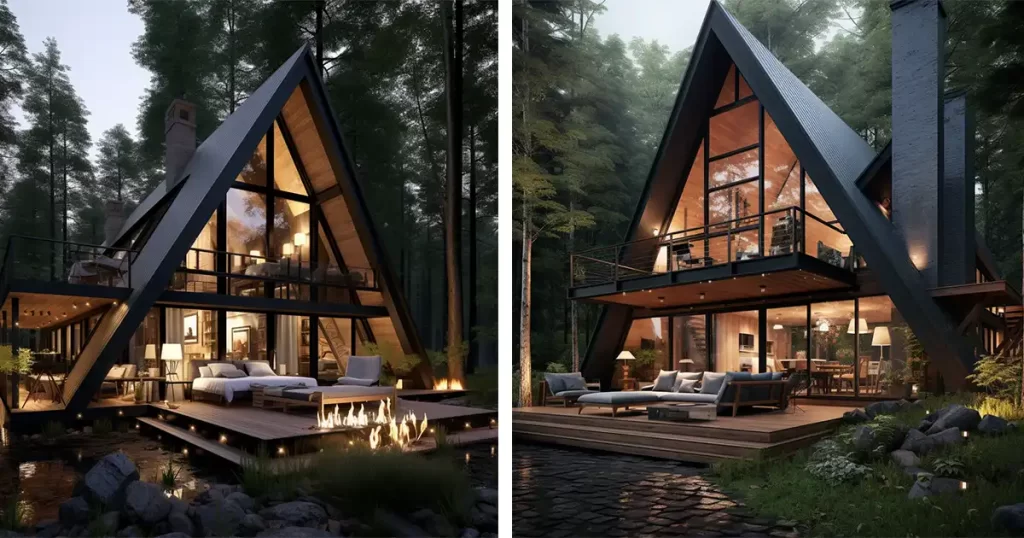
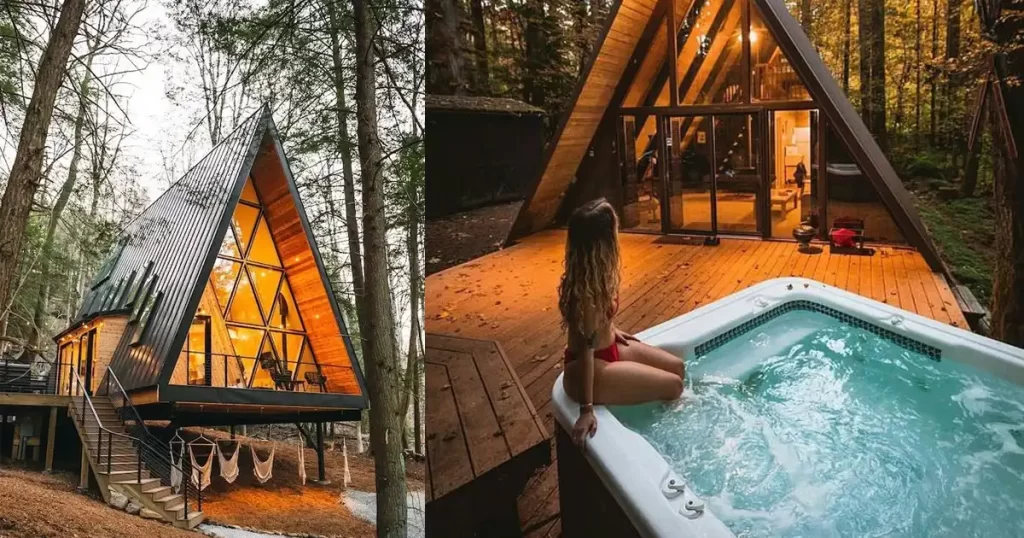
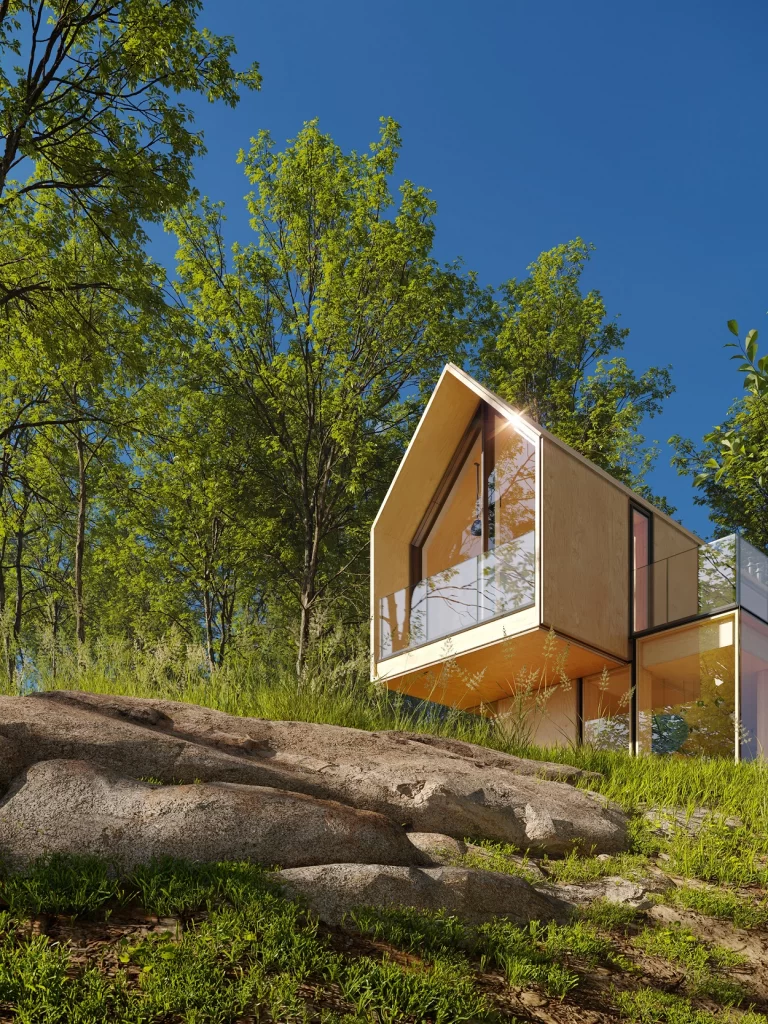
The triangle shape is light, sheds rain and needs fewer wall materials. The sloped walls limit headroom, so the same rules apply as for an A-frame cabin: check the usable floor width before you build.
A deck around the trunk adds play and lounging space. Every open edge more than 30 inches above the ground needs a guard.
Two platforms linked by a bridge, or a lower deck with a higher lookout. Great fun, but each level and bridge needs its own guards, and the loads add up quickly.
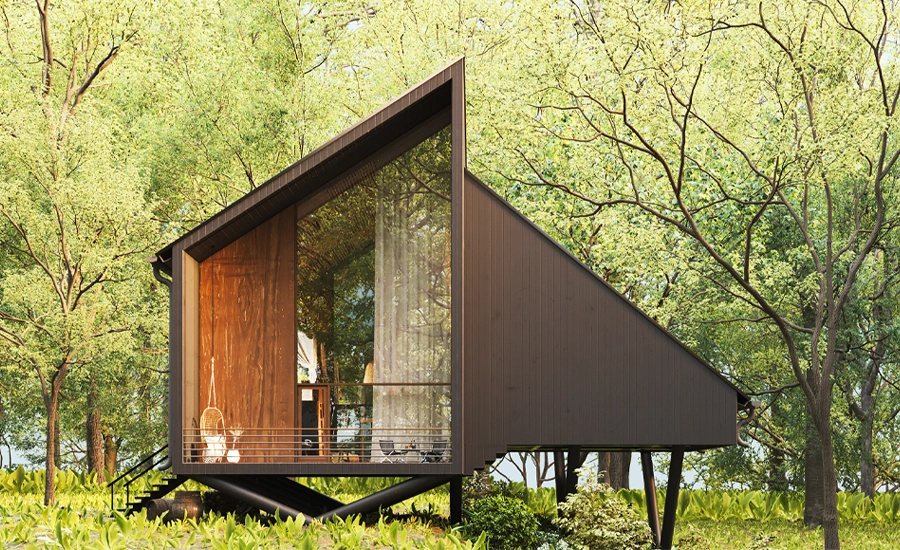
If you don’t have a suitable tree, build on posts next to or around a tree. You get the look without stressing the tree, and posts make structural design simpler.
An insulated tree house with power and windows can be a studio, office or guest space. Once it has electricity or someone sleeps in it, local building rules are much more likely to apply.
| Support type | Pros | Cons |
|---|---|---|
| Fully in the tree | Classic look, no foundations | Must allow for tree movement and growth; depends on tree health |
| Tree plus posts | Spreads the load, less stress on the tree | Posts need footings |
| Freestanding on posts | Easiest to engineer, protects the tree | Less “tree house” feel |
Use fewer, larger fasteners designed for tree houses rather than many nails or screws, and avoid ropes or cables wrapped tightly around the trunk, which can damage the bark as the tree grows. For larger tree houses, specialized tree house builders and engineers use purpose-made hardware.
A tree house that falls under your local building code will typically follow the same guard rules as decks and balconies. In the 2021 International Residential Code:
| Rule | 2021 IRC requirement |
|---|---|
| When guards are required (R312.1.1) | Open-sided walking surfaces more than 30 in above the floor or grade below, measured within 36 in of the edge |
| Guard height (R312.1.2) | At least 36 in above the walking surface (34 in along the open sides of stairs) |
| Openings (R312.1.3) | Must not let a 4 in sphere pass through (4 3/8 in on the open sides of stairs) |
Even if your tree house is exempt from permits, these rules are a sensible minimum, especially for children. Other good practices:
It depends on where you live and on the tree house’s size, height and use. Small play structures are often exempt; tree houses with electricity, plumbing or sleeping space, or ones close to property lines, are more likely to need a permit. Some HOAs also have rules. Call your local building department before you start; it’s much easier than taking a tree house down later.
A tree house you plan to rent out or live in is a different matter entirely. See can you permanently live in a tiny home for how codes treat small dwellings.
For kids, lower is safer. Under the IRC, any walking surface more than 30 in above the ground needs guards at least 36 in high, and the fall risk grows with height.
A healthy, mature tree with a strong trunk, often a hardwood. An arborist can confirm whether a specific tree is suitable.
Use few, large purpose-made fasteners instead of many small ones, avoid tight ropes or cables around the trunk, and leave room for growth. Or build on posts beside the tree.
Sometimes. Rules depend on size, height, use and location. Check with your local building department before building.
This guide is general information. Tree houses carry real fall and structural risks. Have the tree inspected, follow your local building code, and use a qualified builder or engineer for larger or elevated structures.